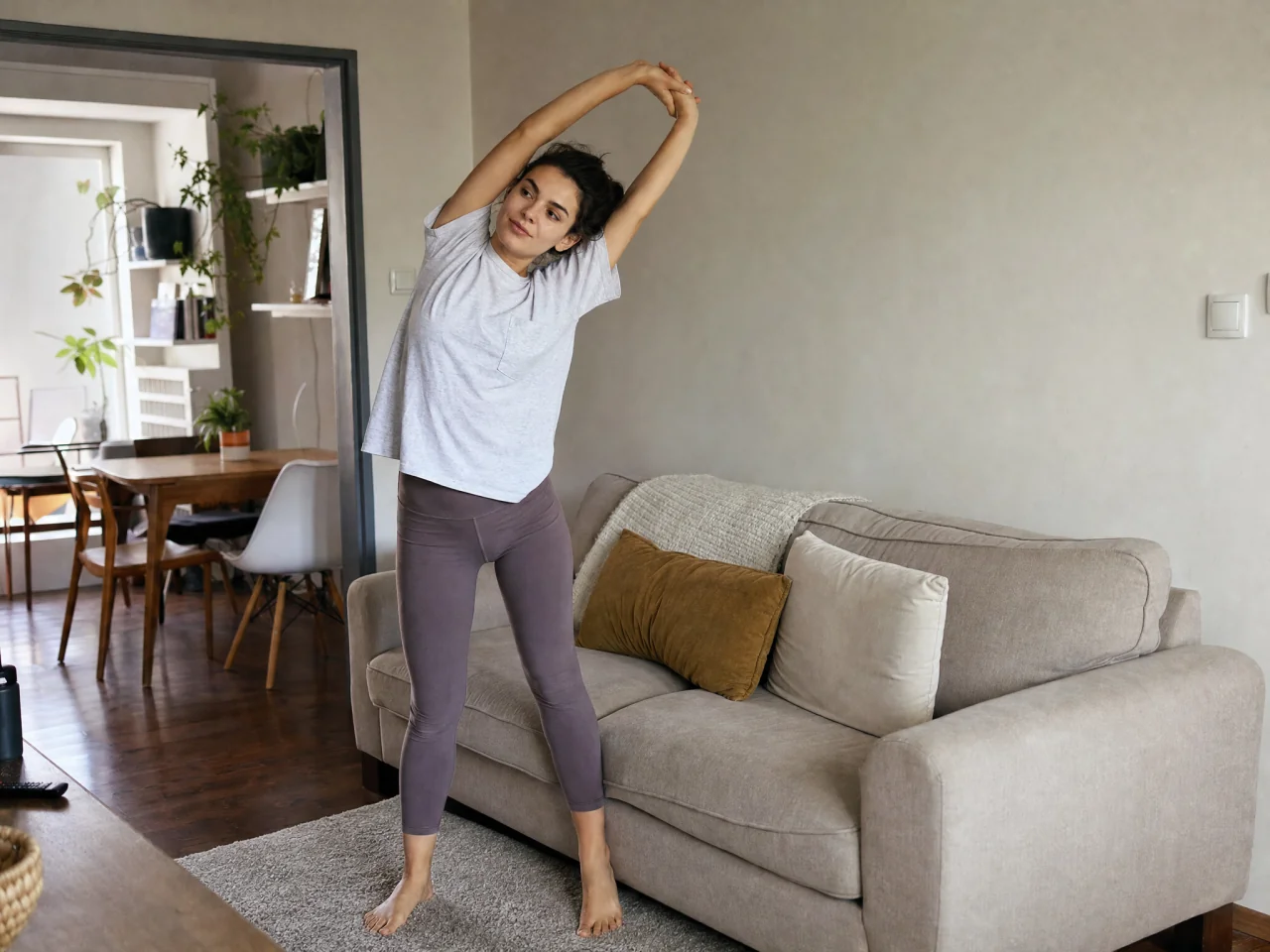
Low-impact workout at home
Build a gentle, no-equipment session with controlled movements that reduce joint stress and fit the space and time you have.
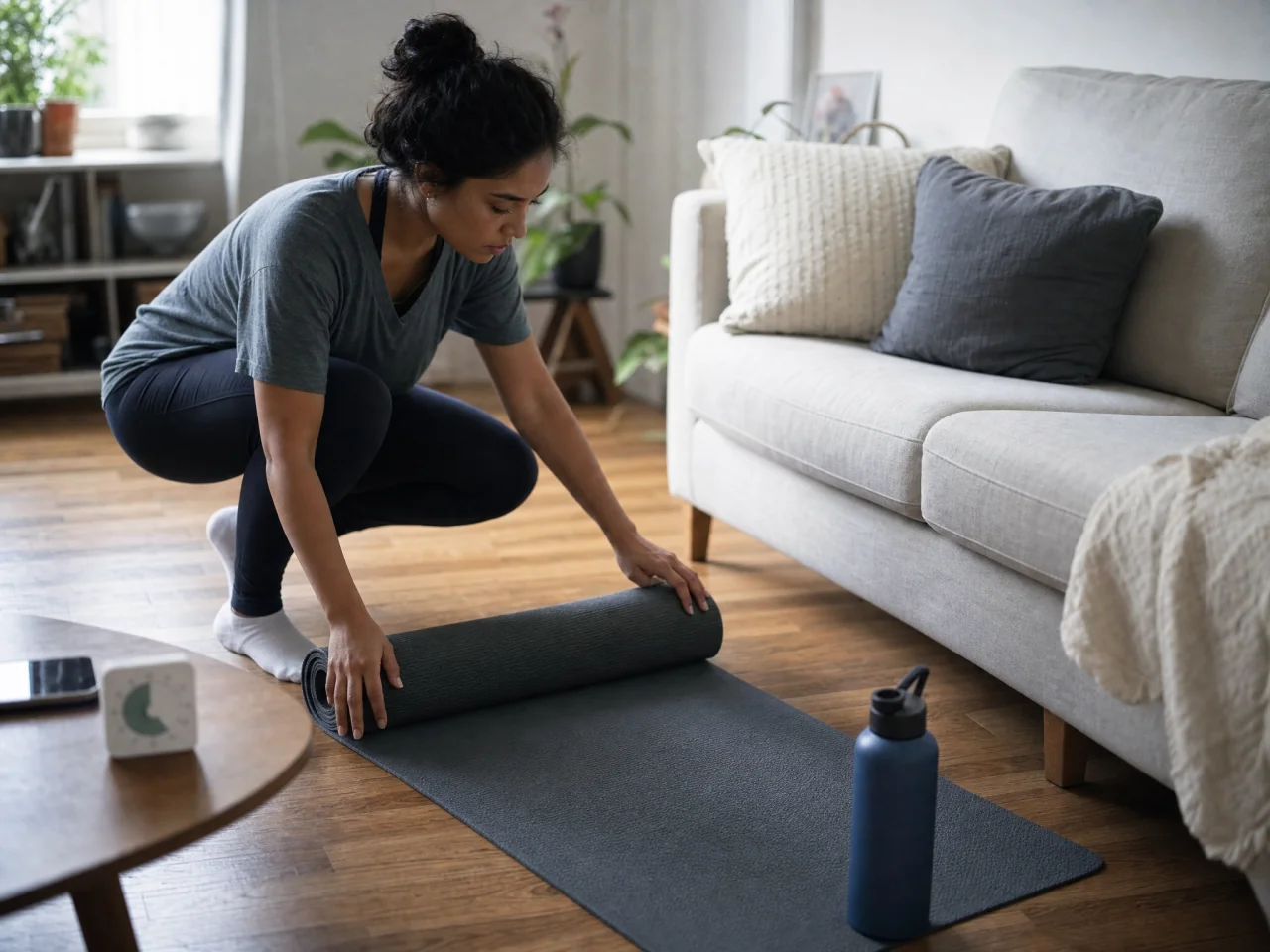
Make gentle movement work at home
A low-impact home workout should feel steady, simple, and easy to adjust. You can choose a setup that feels secure, move at a comfortable pace, and change course when your body gives you a warning.
Share your available time, comfortable positions, and any movements you want to avoid, and ChatGPT can shape one no-equipment session around those needs. You will get clear steps for gentle movement that fits your day without turning it into a demanding plan.
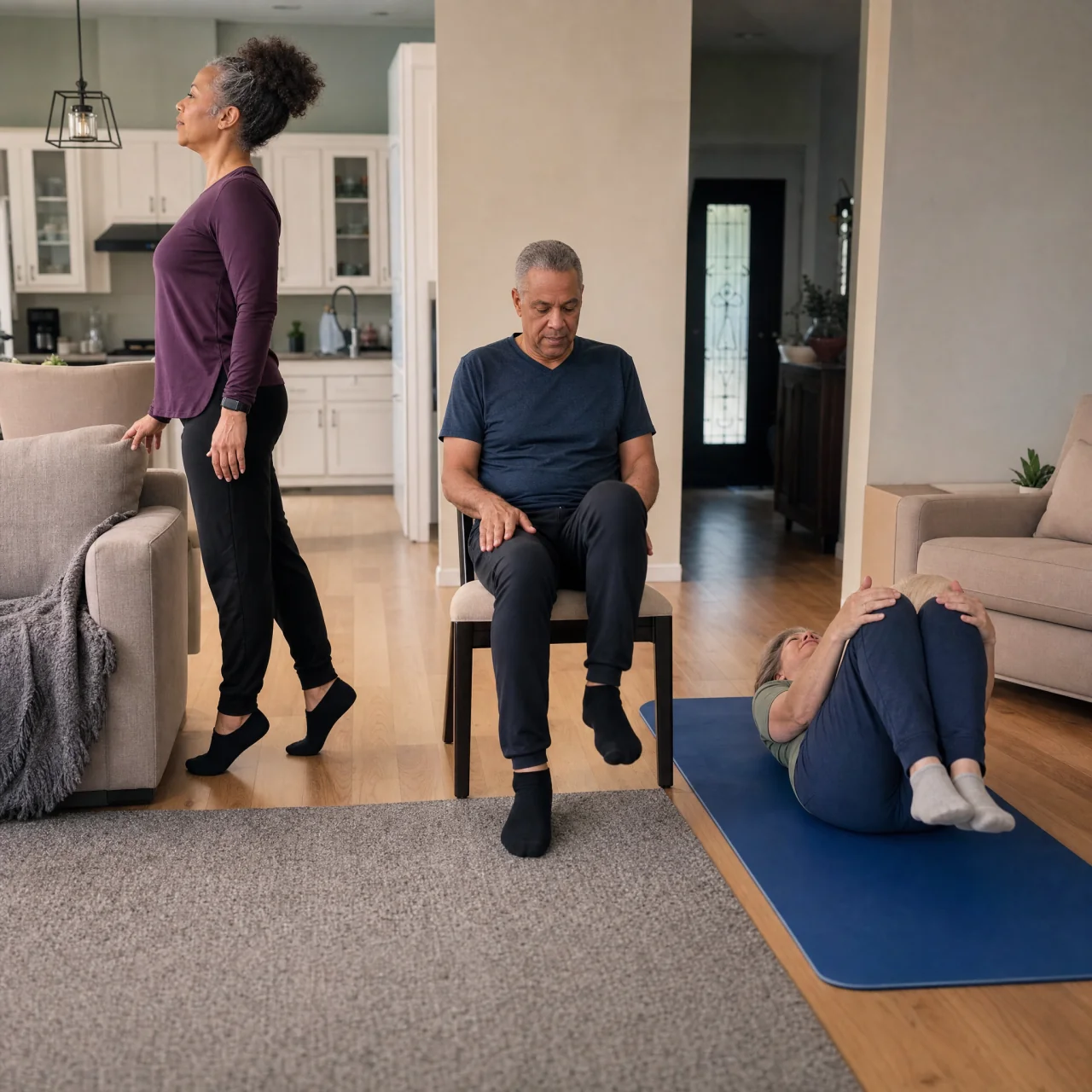
Standing, supported, or floor-based movement
Low-impact movement can be done while standing, using a chair for support, or working on the floor. Each option changes the balance needed, the available range of motion, and how easy it is to switch exercises. ChatGPT can compare these movement styles by setup, balance demands, and common exercise types so you can understand where each one fits.
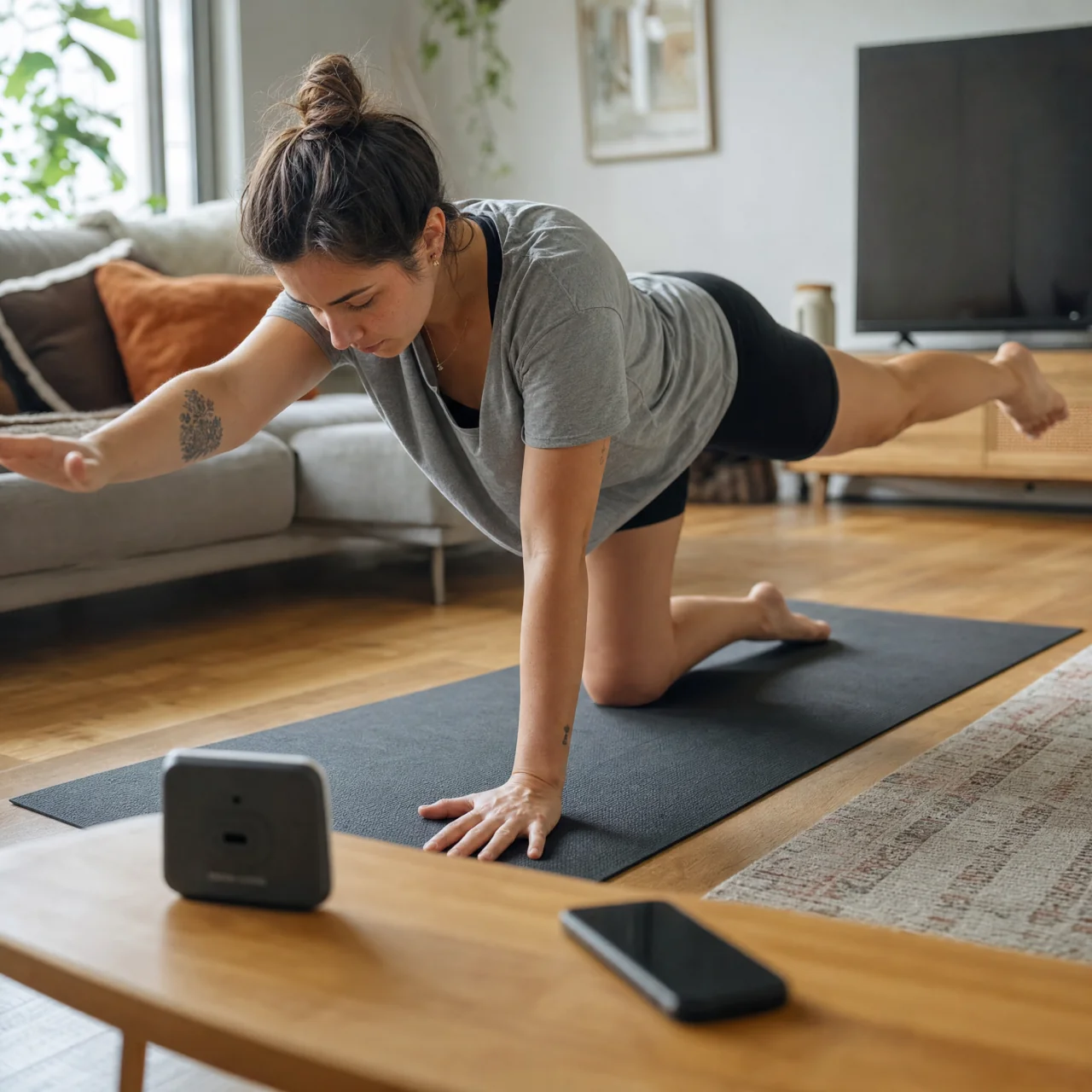
A simple full-body home routine
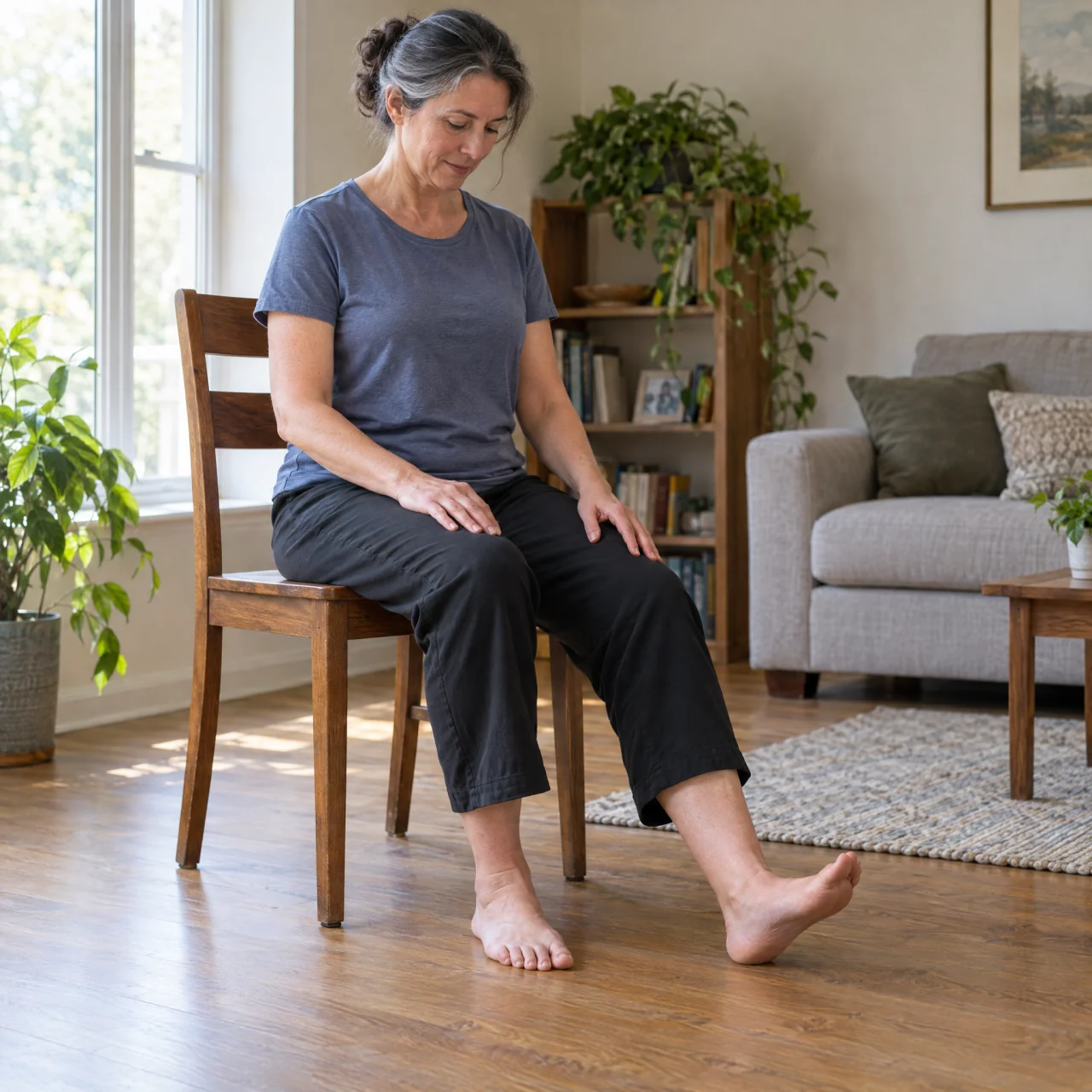
A balanced session can begin with easy warm-up movements, continue with gentle work for the legs, upper body, and core, and end with a slow cool-down. For a seated warm-up, sit on a sturdy, non-wheeled chair and try slow seated marching by lifting and lowering one knee at a time, then gentle ankle movements by pointing and flexing your feet, using smaller motions if that feels easier. ChatGPT can use your available time, comfortable body positions, preferred pace, and movements to avoid to create a clear routine for one home session.
Change one movement detail at a time
For seated marching and ankle point-and-flex movements, try a smaller motion before changing pace or duration so you can judge one adjustment at a time. Stop for sharp pain, dizziness, chest pain, or sudden shortness of breath, and call 911 immediately for persistent or returning chest pressure or discomfort, especially with breathlessness or faintness. ChatGPT can explain one adjustment at a time for the seated marching and ankle warm-up, so you can compare a smaller range with a slower pace.
Keep gentle movement consistent
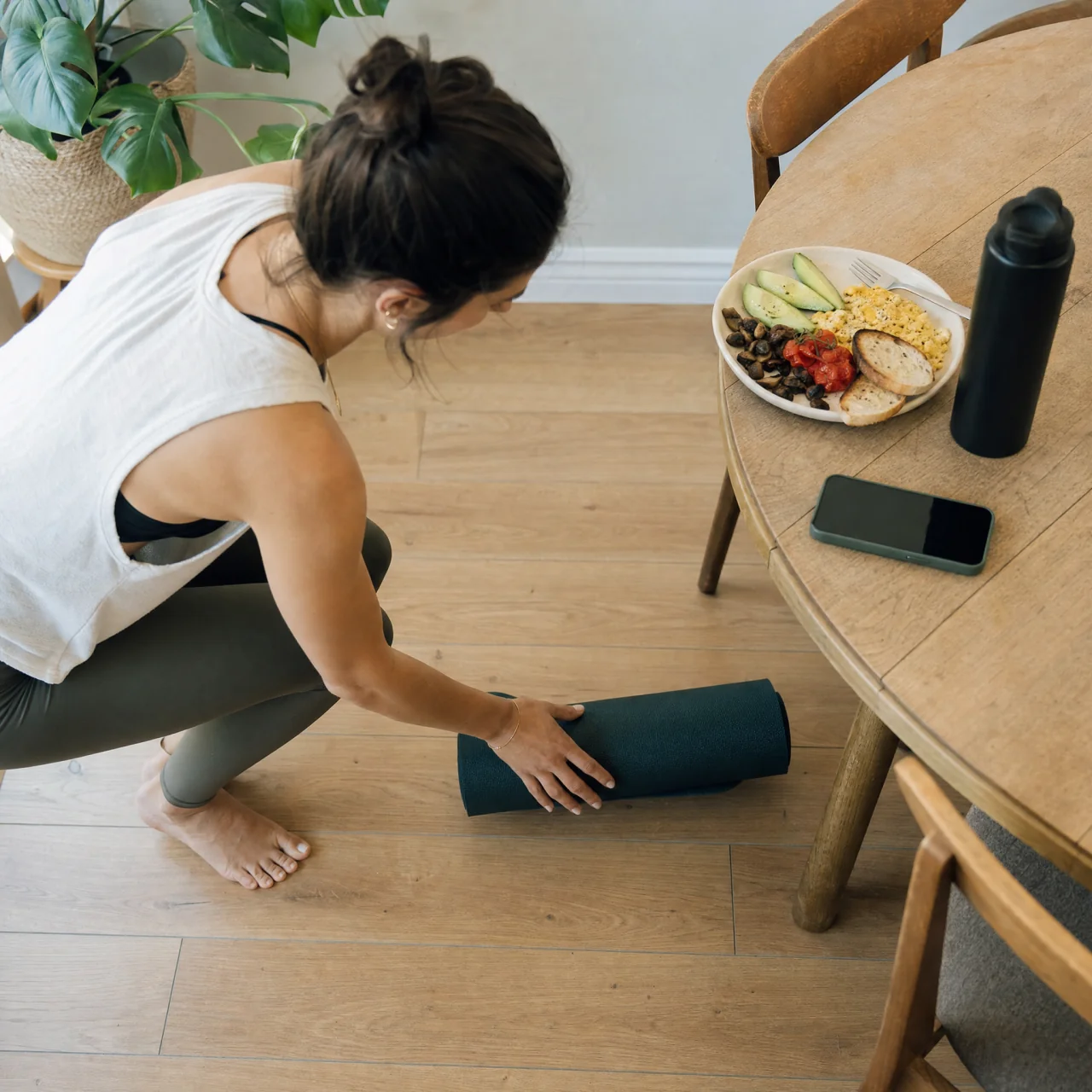
Consistency is often easier when the workout follows an existing daily event, such as finishing breakfast or closing a laptop. A short backup version can keep the habit alive on busy days without forcing a demanding schedule. ChatGPT can use your usual routine, preferred workout time, and most common barrier to suggest a practical habit cue and a simple backup session.
Ask ChatGPT
Build a balanced daily rhythm
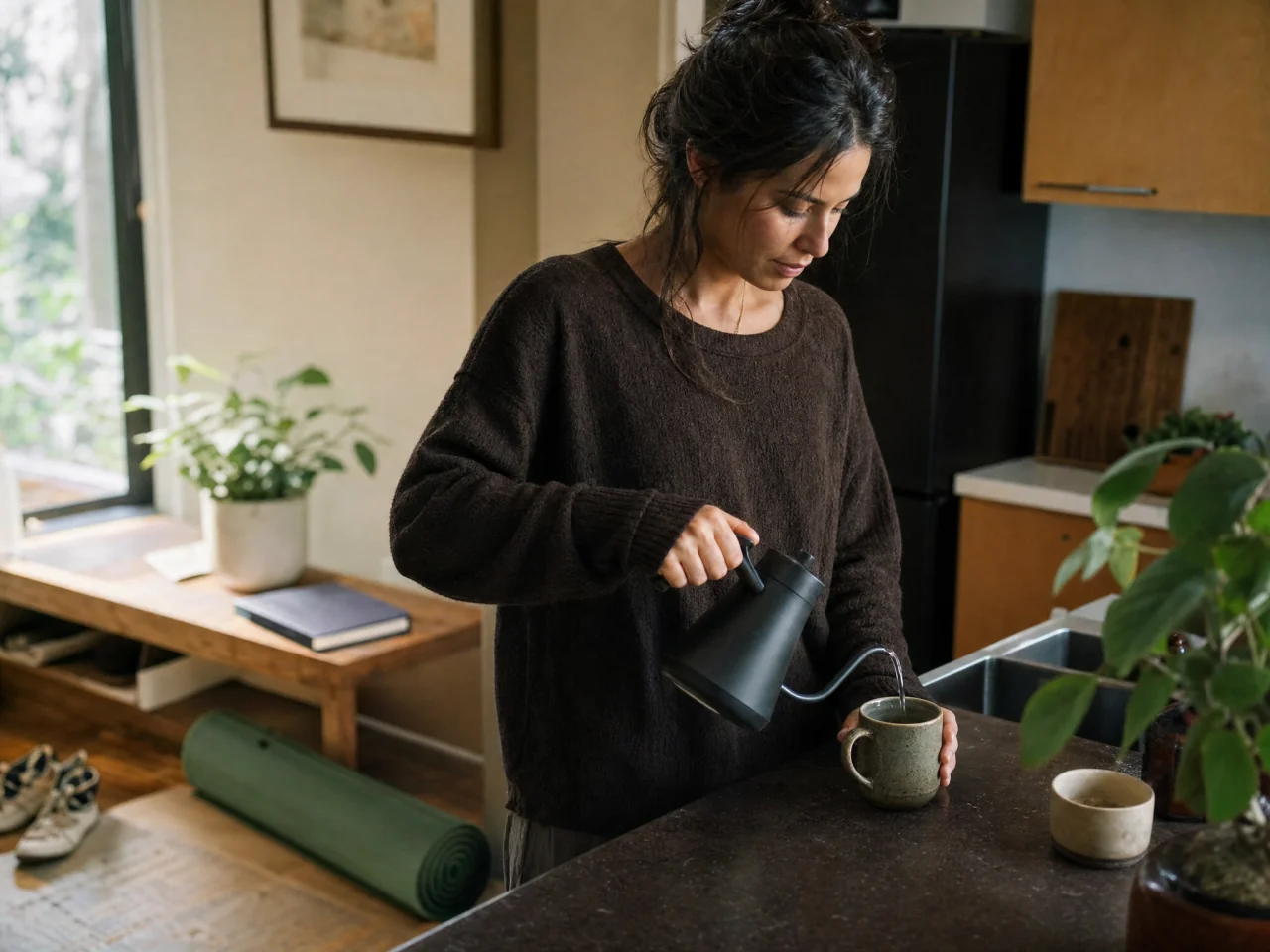
Now that you have a gentle way to move, connect it with sleep, meals, and breaks. A simple daily rhythm can make healthy choices easier to follow.