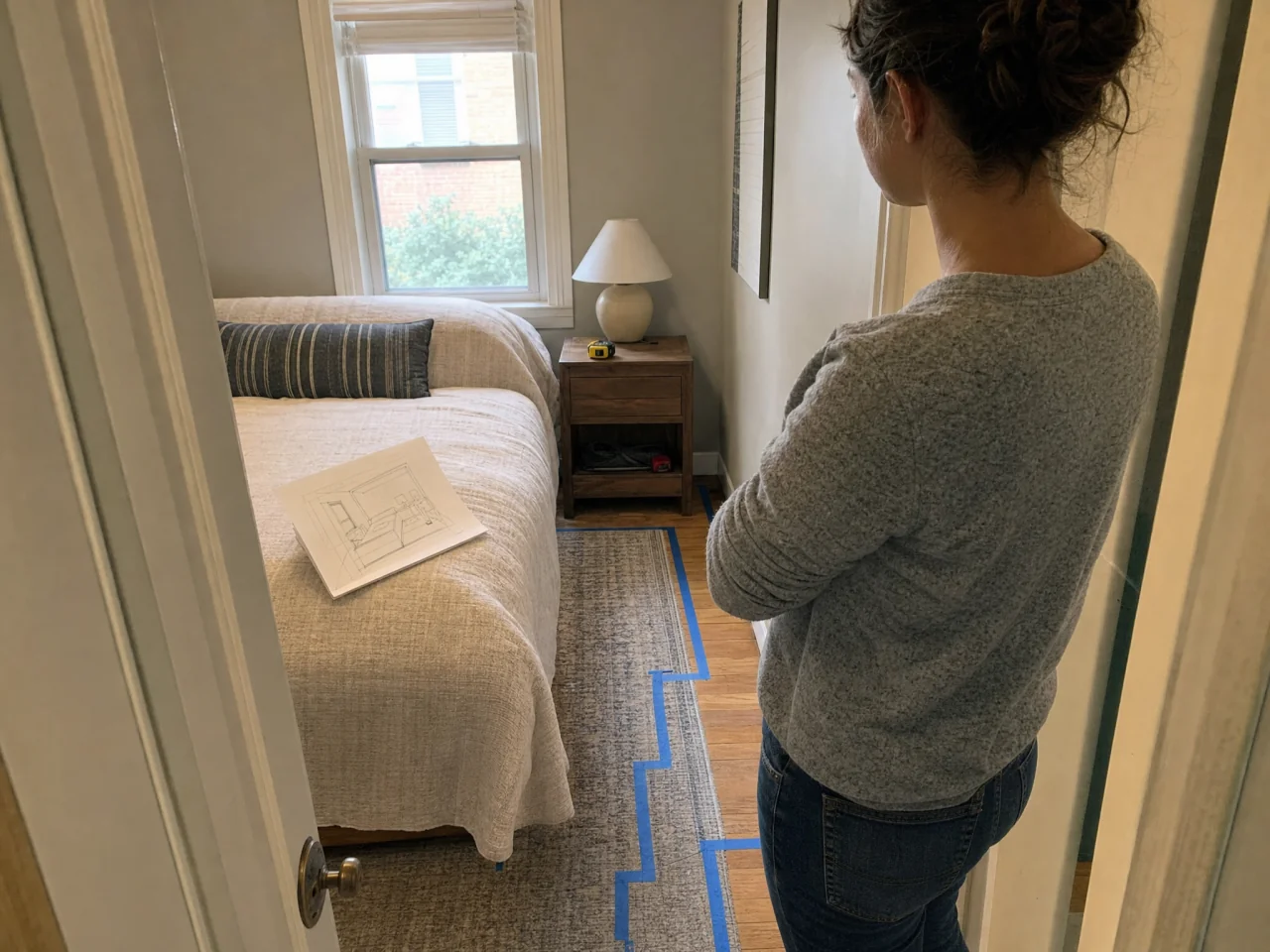
How to organize a small bedroom
Use your room’s fixed features, daily paths, and open spaces to choose a layout and storage that stay easy to reach.
Make every choice fit the room
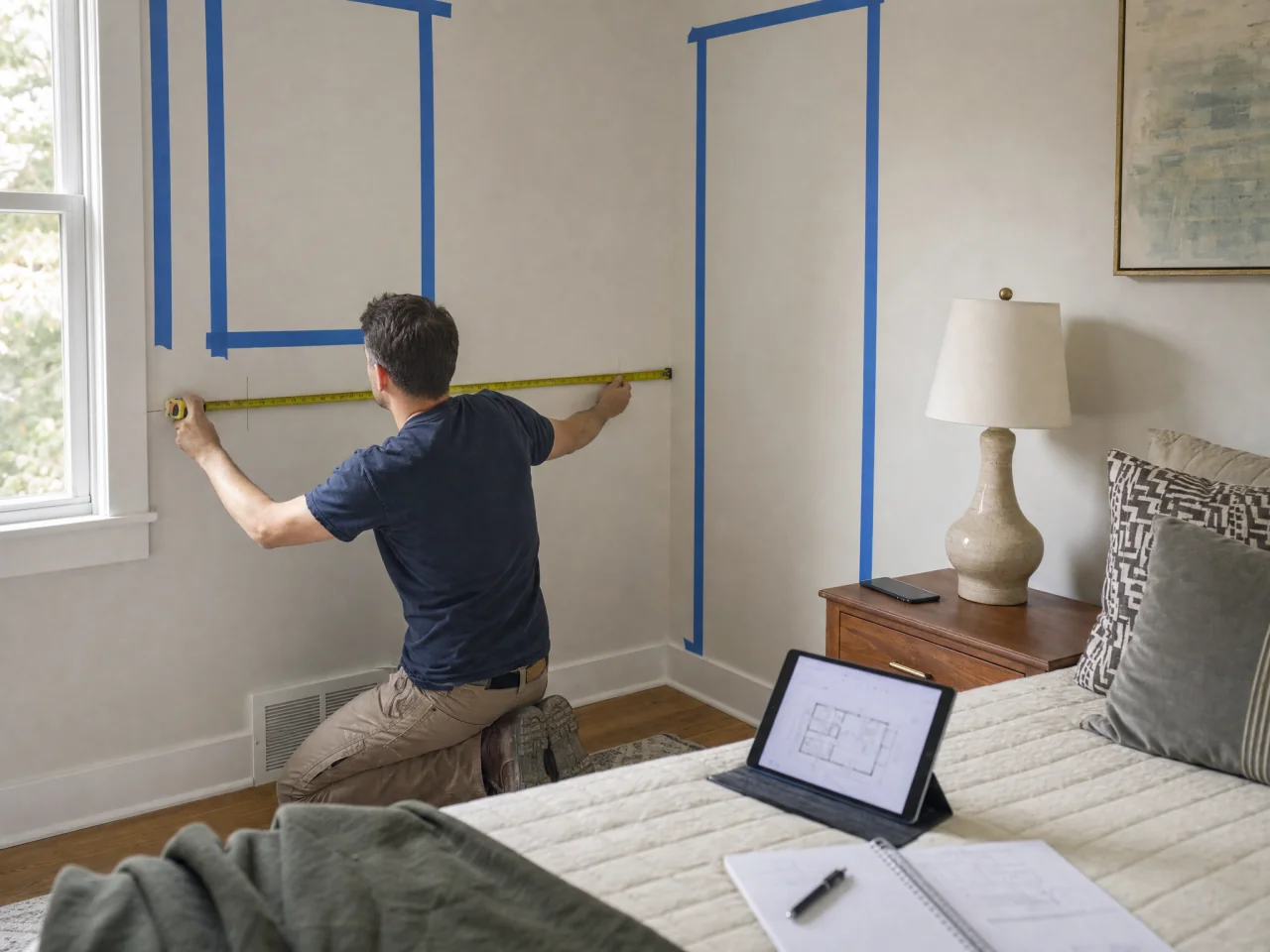
Small bedrooms work better when the layout follows the room’s fixed limits and the way you move through it each day. The goal is not to pack every open spot, but to make furniture and storage easy to use.
ChatGPT can turn your measurements, fixed features, furniture sizes, rental limits, budget, and daily habits into a practical layout and storage plan with clear steps and access checks.
The room sets the priorities
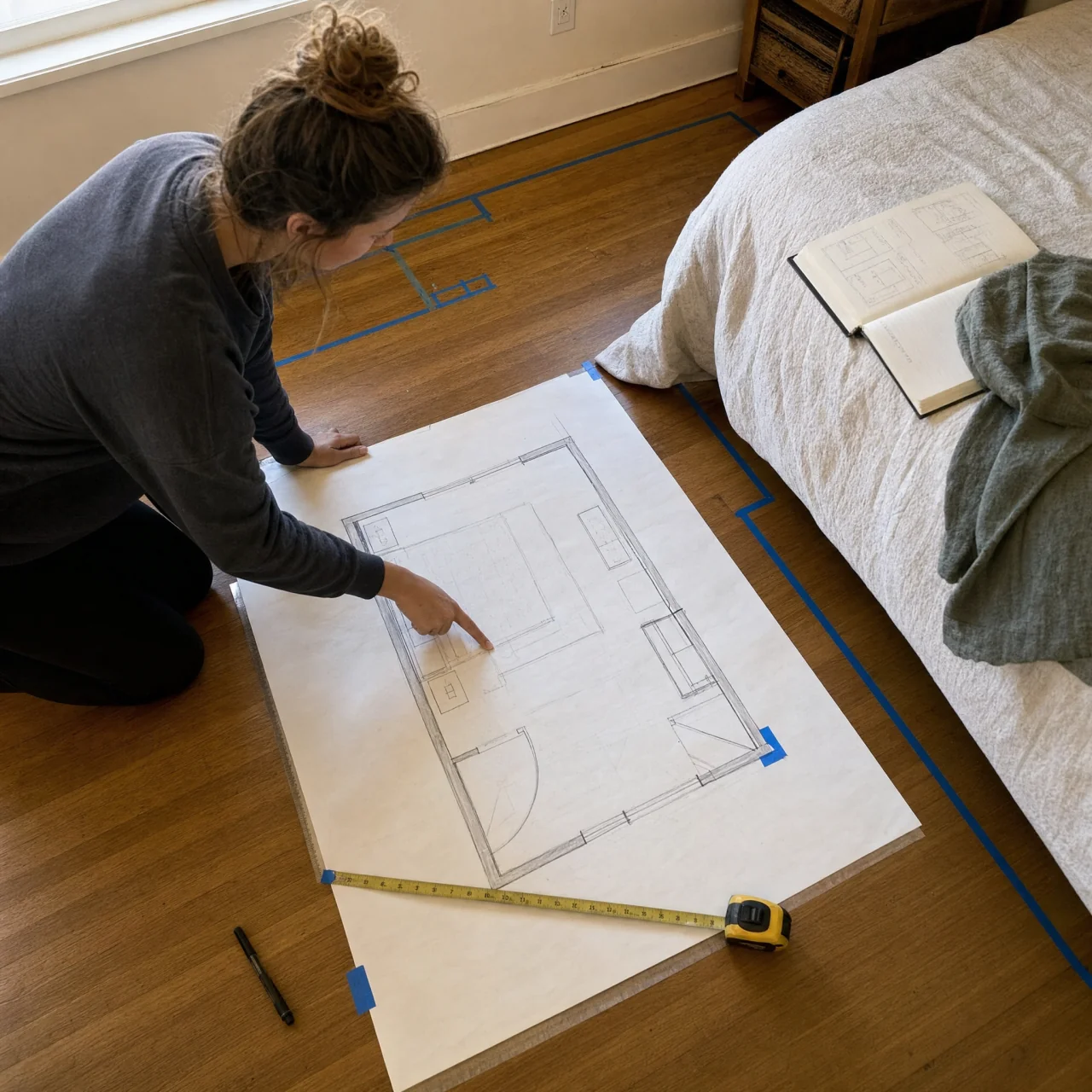
A useful layout starts with facts that cannot move: wall lengths, doors, windows, outlets, radiators, and the space needed to walk around the bed. Daily habits also matter, since a clear route at night may be more valuable than one extra bin. ChatGPT can use your room measurements, fixed features, and furniture list to point out layout limits and the best open areas for storage.
Match storage to daily use
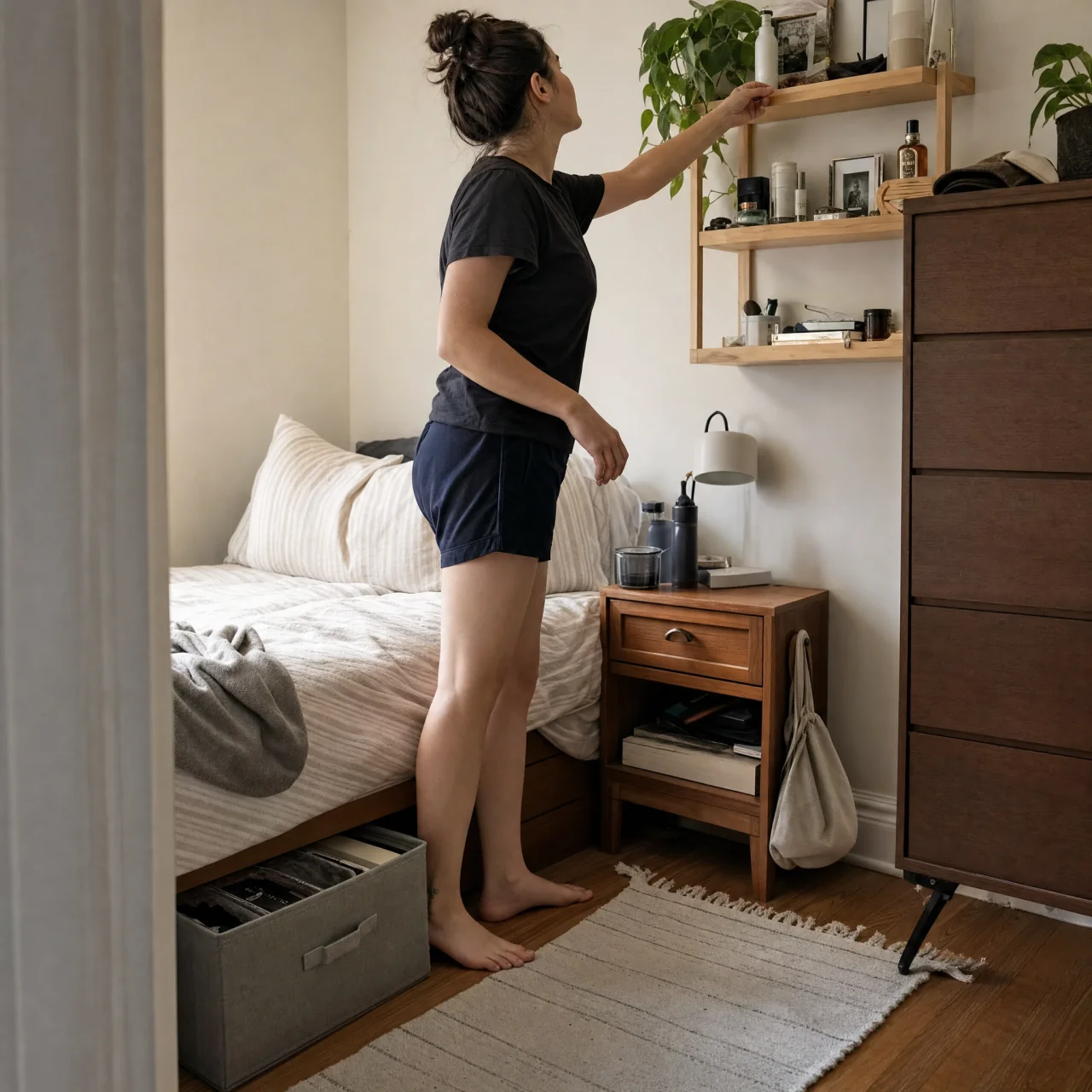
Storage works best when its location matches how often you use what is inside. Under-bed boxes suit less-used items, open shelves keep daily things close, and furniture with drawers can save floor space, but each choice affects cost, reach, and visual calm. ChatGPT can compare your item categories, available gaps, budget, and rental rules, then suggest storage choices with clear tradeoffs.
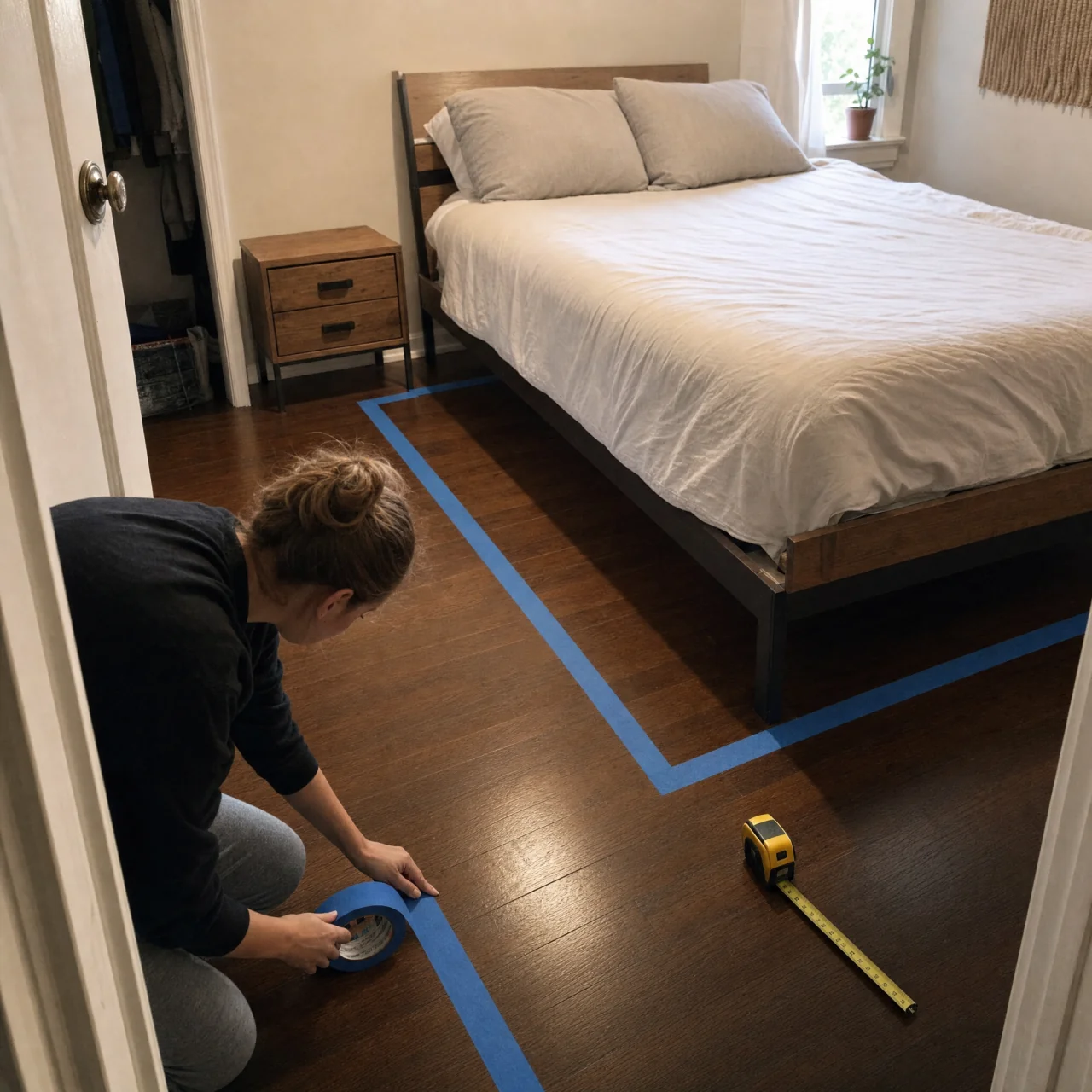
A workable order for setup
The simplest order is to measure first, mark a clear walking path, place the bed, and then use under-bed and wall space without blocking doors or windows. Finish by giving everyday items an easy-to-reach spot and keeping the floor route open. ChatGPT can turn your room sketch, measurements, and furniture list into a short setup plan that orders each move and flags anything that may not fit.
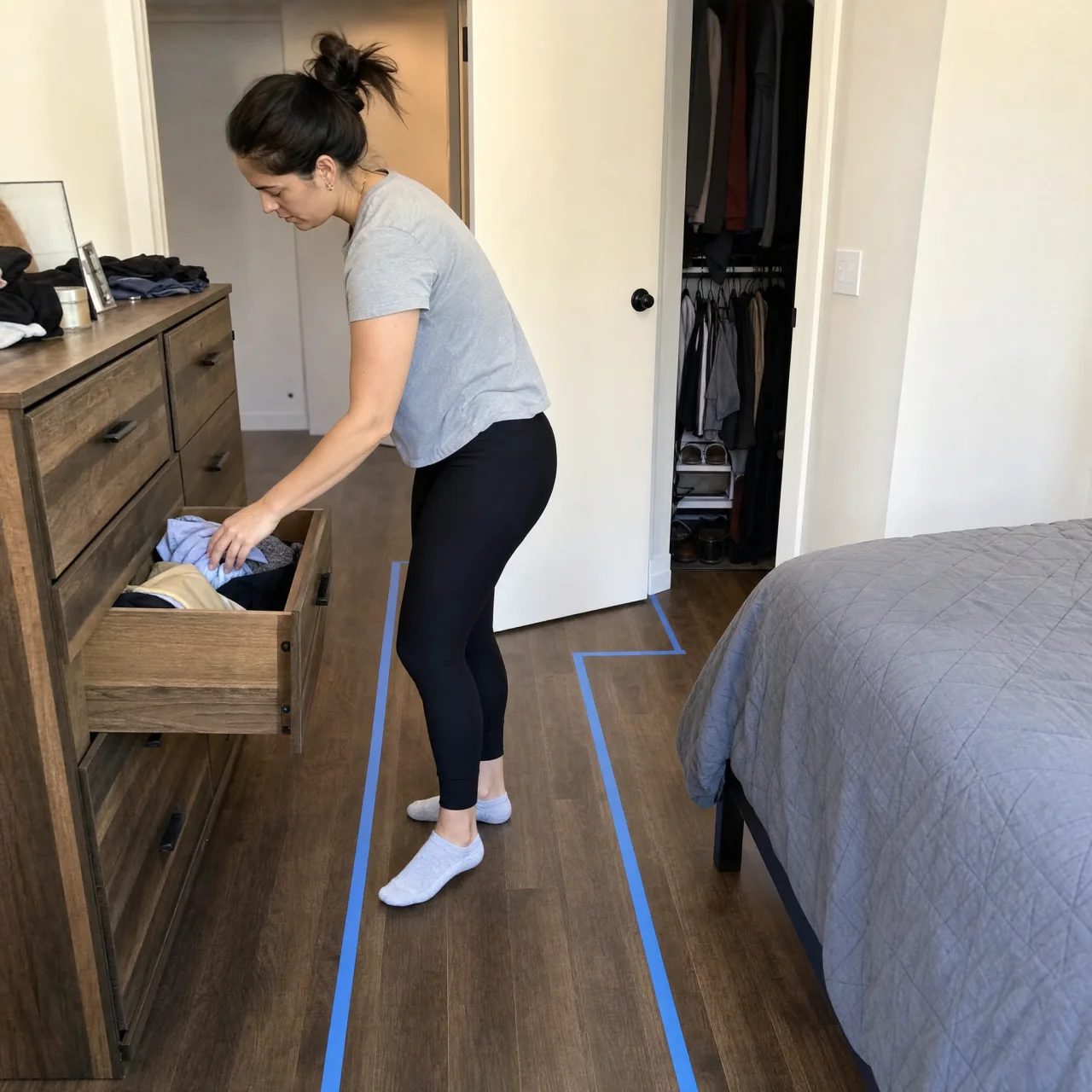
Check how the room works
An organized bedroom should work during a normal day, not just look neat for a photo. Open every drawer and door, walk the main route, reach for daily items, and check that storage can be put back without moving other things. A photo of the finished room plus notes about tight spots can help ChatGPT review blocked access, hard-to-use storage, and small fixes.
Ask ChatGPT
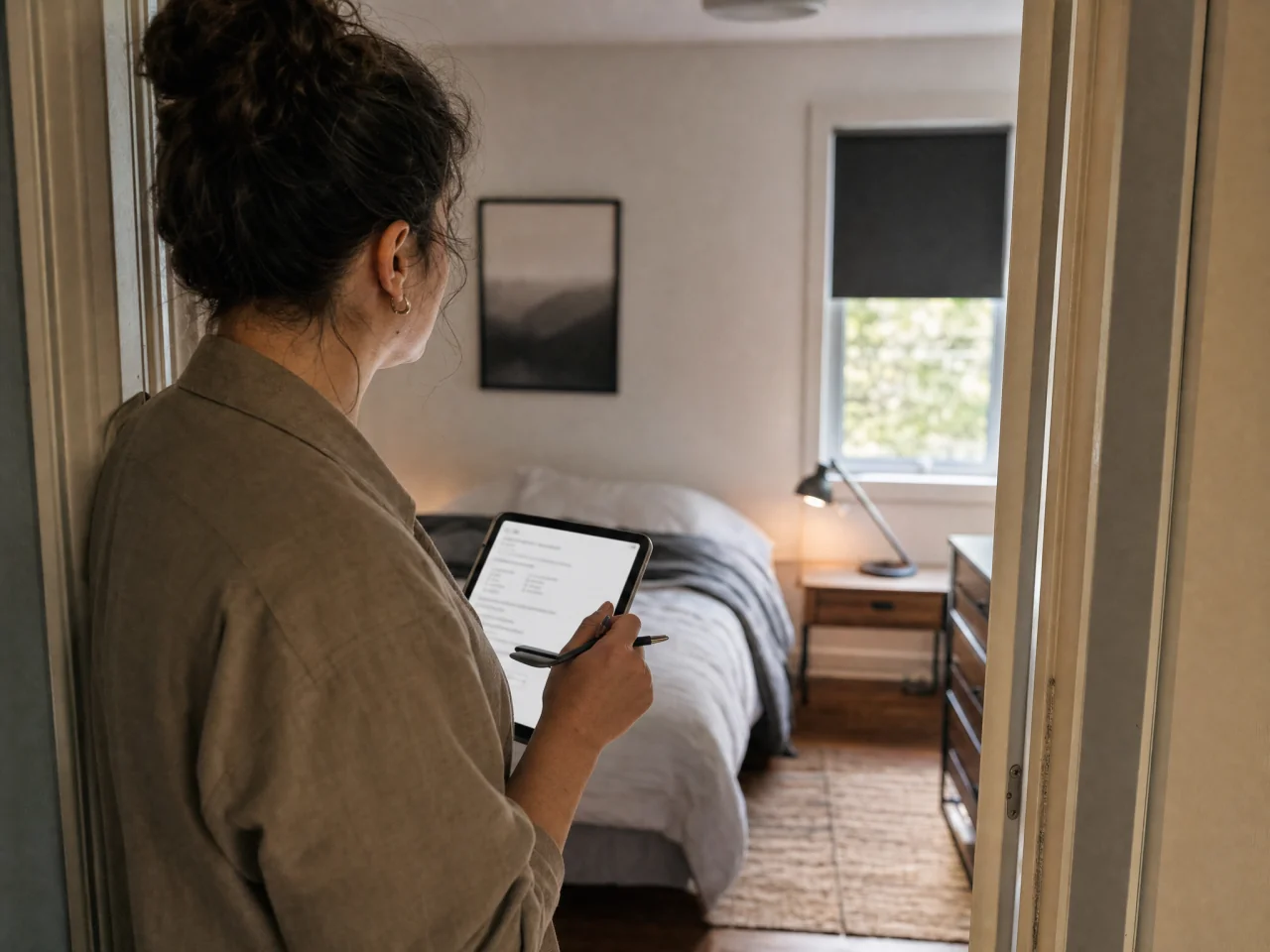
Carry the same order through your home
Use the same focus on access and daily habits across your home. Get a room-by-room organization plan or a short weekly reset that keeps it working.