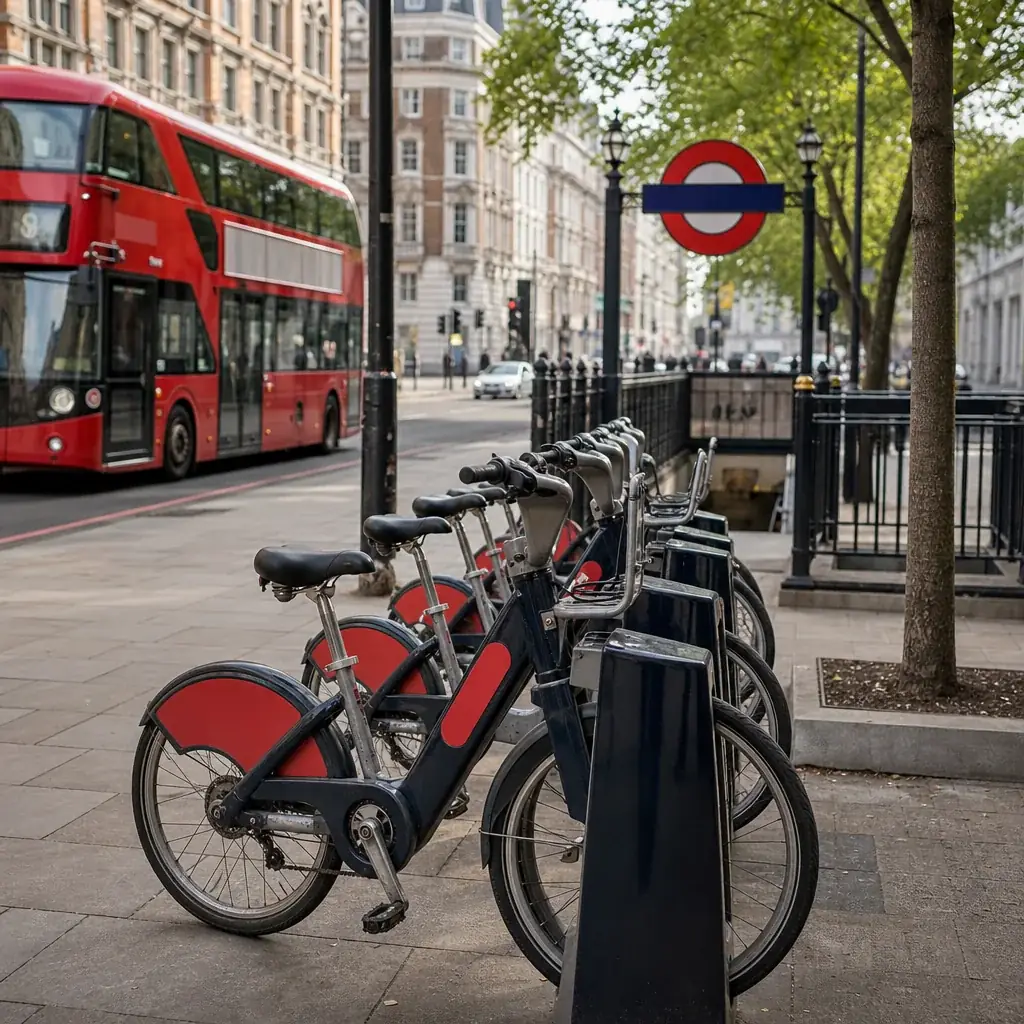
London is one of the easiest major cities to navigate without a car. Public transport is extensive, many central attractions are walkable, and driving often takes longer once traffic, parking, and congestion charges are considered.
The easiest ways to travel
The Tube is usually the fastest option for longer trips across central London. Stations are identified by the red-and-blue Underground symbol, and lines are color-coded. Check the destination shown on the train and whether you need the eastbound, westbound, northbound, or southbound platform.
Buses are especially useful for short journeys, areas without nearby Tube stations, and sightseeing above ground. London buses do not accept cash: tap a contactless bank card, phone, smartwatch, Oyster card, or other accepted payment method when boarding. You normally tap only when getting on, not when leaving.
The Elizabeth line, London Overground, and National Rail complement the Tube. The Elizabeth line is particularly useful for quick east–west journeys and some airport connections. Overground and suburban trains often provide the most direct route between neighborhoods outside the center.
Walking is frequently best in central London. Places that look separated on the Tube map may actually be close together. For example, Covent Garden, Soho, Leicester Square, Trafalgar Square, and the South Bank can be combined largely on foot.
Cycling works well for confident urban riders. Public cycle-hire bikes are available from docking stations, while several private operators offer app-based rentals. Use protected cycle lanes where possible, remember that traffic travels on the left, and check the rental rules before riding or parking.
River services can be practical as well as scenic. Boats connect stops along the Thames, although they generally cost more than buses and are not always included in the same fare caps.
How to pay
For most visitors, the simplest method is a contactless bank card or mobile wallet. Tap the same card or device on the yellow reader at the start and end of Tube, Elizabeth line, Overground, and most rail journeys. Using different devices—even if linked to the same account—can prevent the system from calculating the correct fare.
An Oyster card is useful if your bank card is not accepted, charges foreign transaction fees, or if you need a fare concession that can be loaded onto Oyster. Avoid buying individual paper tickets unless necessary; they are often less convenient and can cost more.
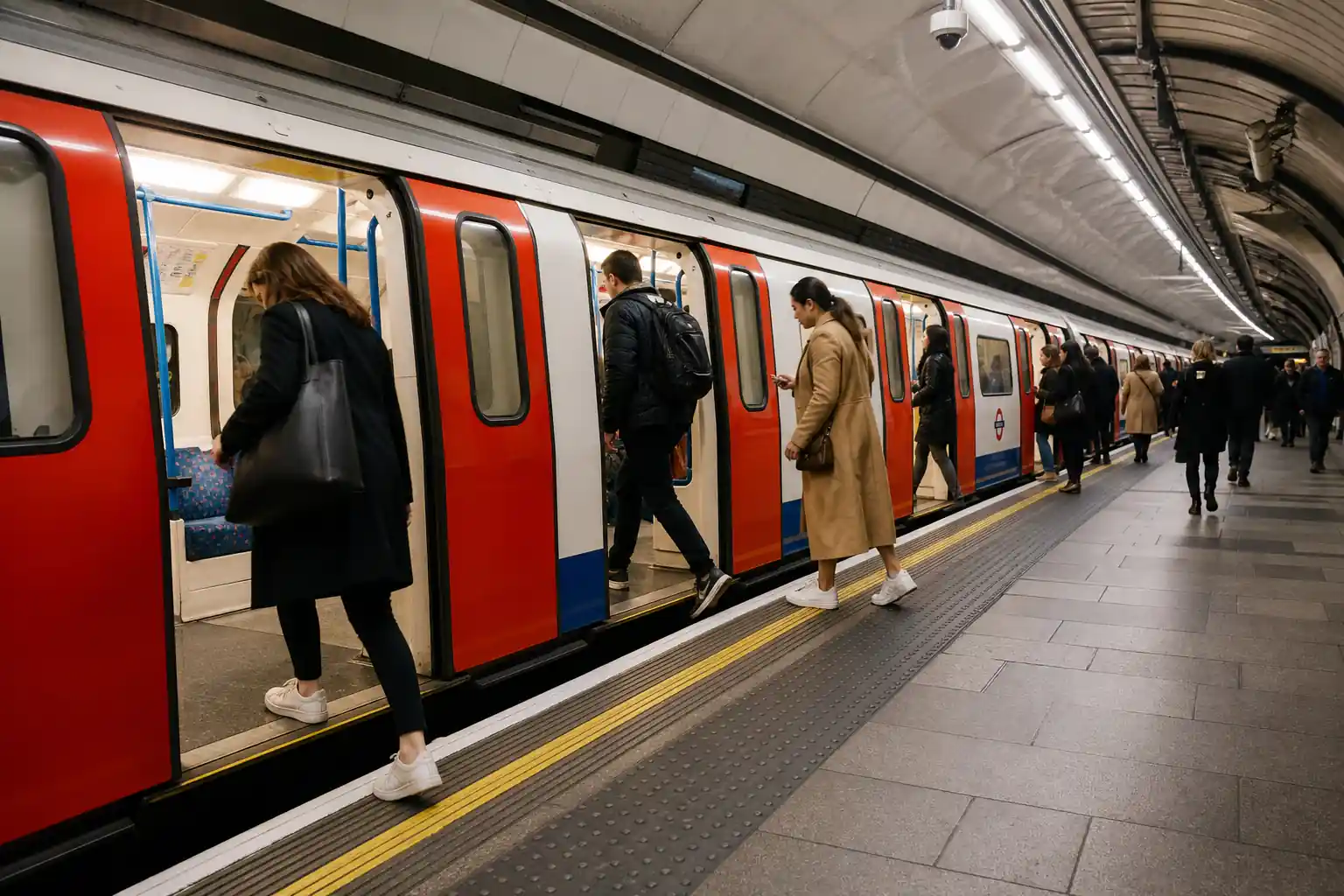
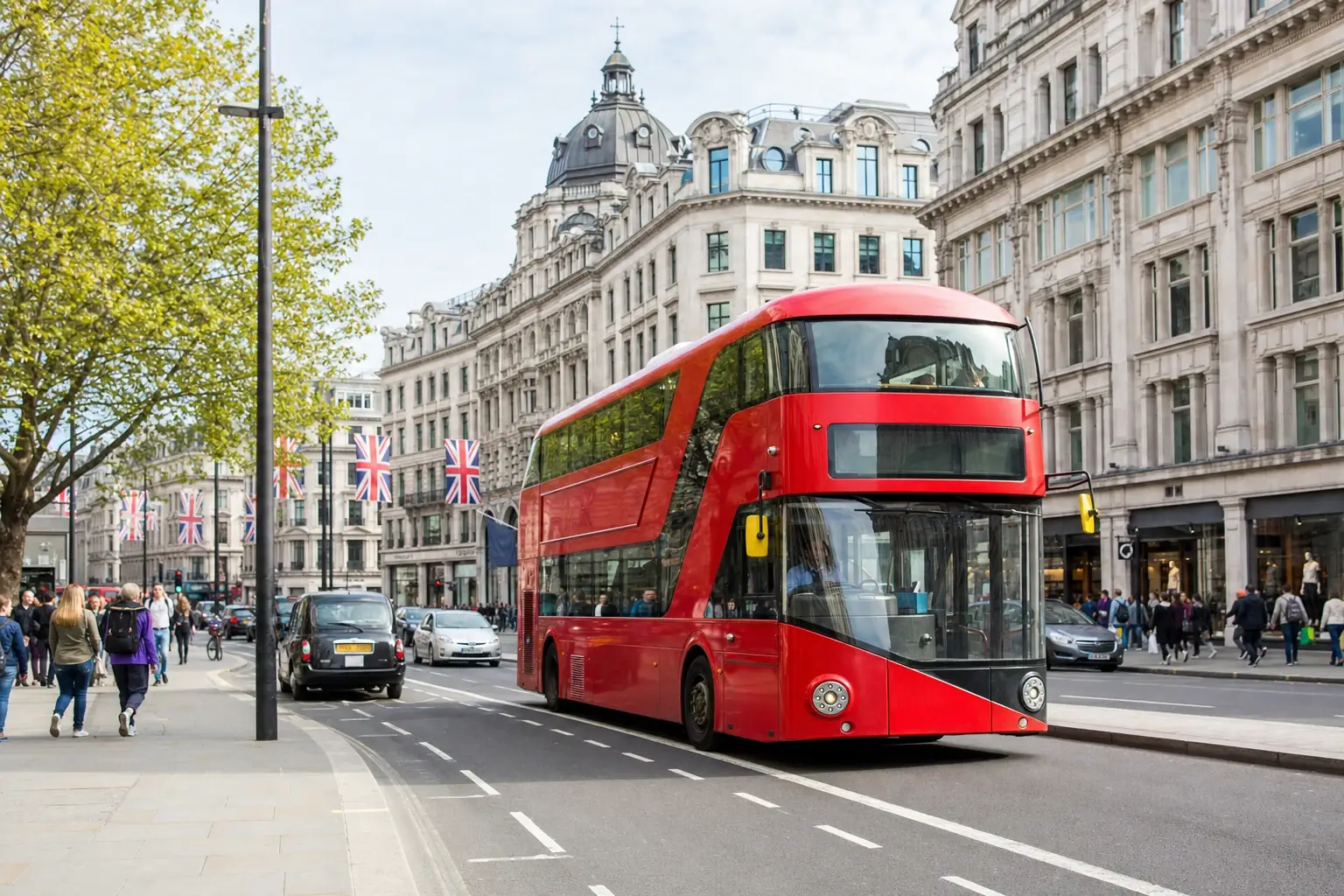
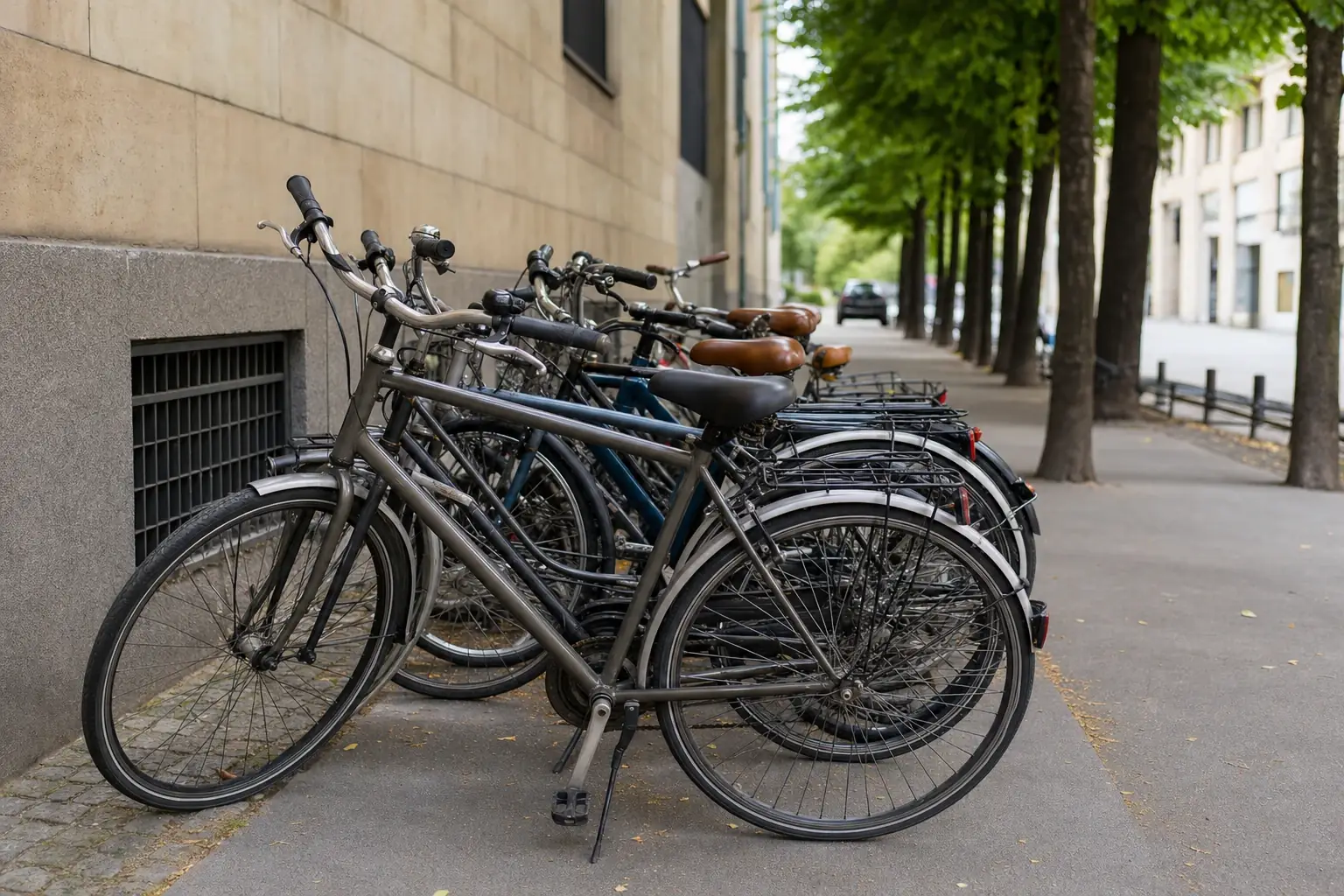
Common car-free ways to travel around London include the Tube, buses, and rental bicycles.
Transport fares are generally calculated automatically, with daily or weekly caps applying to eligible journeys. Airport routes, river boats, and some special services may have separate rules.
Practical tips
- Use a journey-planning or maps app for live routes, closures, and platform information.
- Avoid weekday rush hours—roughly 7:30–9:30 a.m. and 4:30–6:30 p.m.—when possible.
- Stand on the right of escalators and walk on the left.
- Let passengers leave trains before boarding.
- Keep your payment card ready at ticket barriers.
- On night journeys, check whether your Tube line runs overnight; night buses cover many routes when trains stop.
- Do not rely only on the schematic Tube map for walking distances.
- If mobility matters, look specifically for step-free access. A station marked step-free may still have a gap or step between the platform and train, so confirm the exact route.
A good default strategy is to walk within a neighborhood, use buses for short cross-city trips, and take the Tube or rail for longer distances. For sightseeing, group each day by area rather than repeatedly crossing London—for example, Westminster and the South Bank together, then Soho, Covent Garden, and the West End as another cluster.